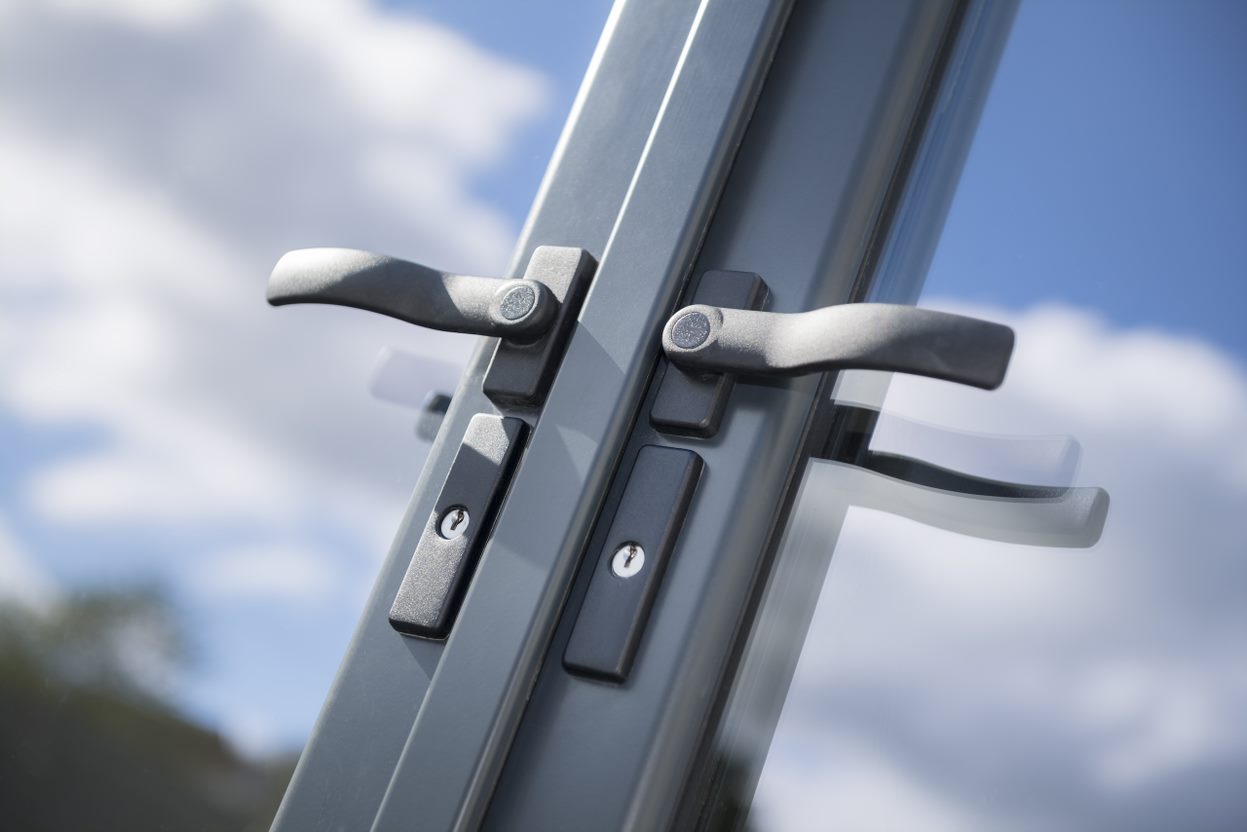
Opening Up New Possibilities: Why Homeowners Are Replacing French Doors with Bifold Doors
French doors, with their sophisticated double panels and timeless appeal, have long been a popular choice for homeowners looking for to bring light and air into their living areas while adding a touch of elegance. Nevertheless, as modern-day living progresses and space optimization ends up being increasingly crucial, a new competitor has emerged, using a compelling option: bifold doors. A growing number of house owners are now choosing to replace their conventional French doors with streamlined and flexible bifold doors, stimulating a considerable shift in home style trends. This short article dives into the reasons behind this growing preference, exploring the advantages of bifold doors and why they are becoming the go-to option for those seeking to modernize their homes and maximize their living areas.
While French doors still hold a certain appeal, their restrictions in performance and space utilization are ending up being significantly obvious in modern homes. French doors, defined by their 2 doors that swing inwards or outwards, can frequently feel limiting in smaller sized spaces. Their swing radius requires clearance, limiting furnishings positioning and possibly interrupting traffic circulation. In addition, when fully opened, they just supply gain access to through a single door width at a time, failing to really blur the lines in between indoor and outdoor areas in the method many modern-day homeowners desire.
Bifold doors, on the other hand, provide a dramatically different proposition. Also referred to as folding doors, bifold doors are made up of multiple panels that fold neatly back against each other when opened. This innovative style uses a wide variety of advantages, making them a progressively attractive alternative for property owners thinking about door replacements. Let's check out the essential advantages driving this shift from French doors to bifold doors.
The Space-Saving Revolution: Bifold Doors in Action
One of the most engaging reasons for switching French doors for bifold doors is the substantial area saving they offer. Unlike French doors that swing open and use up valuable flooring space, bifold doors run on a track, folding concertina-style to stack nicely to one or both sides of the opening.
Think about these benefits in regards to area usage:
- Minimized Swing Radius: Bifold doors get rid of the requirement for swing space. This is particularly vital in smaller rooms or locations where space is at a premium. You can position furnishings closer to the opening without fretting about obstruction or hindering door operation.
- Unobstructed Walkways: When totally opened, bifold doors produce a totally clear and unobstructed pathway. This is especially advantageous in high-traffic areas, such as entrances leading to outdoor patios, gardens, or decks. French doors, even when totally open, still protrude and can create a bottleneck.
- Versatile Opening Width: Bifold doors use unparalleled versatility in terms of opening width. You can partially open them for ventilation, or totally retract them to create a huge, breathtaking opening. French doors offer only 2 set opening alternatives-- completely closed or fully open with one or both doors swinging out.
Seamless Indoor-Outdoor Living: Breaking Down Barriers
Beyond area conserving, bifold doors excel at developing a seamless shift in between exterior and interior areas. This is a highly popular function in modern-day home style, as house owners progressively value the connection with nature and the capability to broaden their living areas outdoors.
Here's how bifold doors improve indoor-outdoor living compared to French doors:
- Wider Opening Expanses: Bifold doors can cover much wider openings than French doors. This permits the creation of really outstanding openings that successfully combine indoor and outdoor locations into one cohesive area. Envision opening up an entire wall to your garden-- a feat easily achievable with bifold doors, however impossible with French doors.
- Undisturbed Views: With their ability to fold entirely away, bifold doors decrease obstruction and make the most of views. When open, they virtually disappear, providing unobstructed scenic vistas of your garden, patio, or surrounding landscape. French doors, even when totally open, still frame the view and can feel aesthetically limiting compared to the openness of bifold doors.
- Improved Natural Light: While both French and bifold doors are developed to optimize natural light, the more comprehensive opening capability of bifold doors can in some cases permit for much more light to flood into the interior space, creating brighter and more welcoming living locations.
Modern Aesthetics and Versatility: A Contemporary Upgrade
Beyond functionality, bifold doors provide an extremely modern aesthetic that attract contemporary house owners. French doors, while classically stylish, can in some cases feel dated in more modern settings. Bifold doors bring a sleek, tidy, and advanced look that aligns completely with existing style patterns.
Think about the visual and flexibility benefits:
- Modern and Sleek Design: Bifold doors boast clean lines, minimal frames, and a contemporary aesthetic that matches contemporary architectural designs. They use a fresh and updated appearance compared to the more conventional styling of French doors.
- Material and Finish Options: Bifold doors are available in a vast array of products, consisting of aluminum, uPVC, and lumber, allowing homeowners to pick alternatives that completely match their home's style and spending plan. They also are available in various surfaces and colors, providing design flexibility. French doors also offer material alternatives, but the overall aesthetic is inherently more standard.
- Adaptability in Application: Bifold doors are incredibly flexible and can be utilized in different applications throughout the home, from patio doors and space dividers to conservatory entryways and even internal bi-fold walls for flexible space partitioning. While French doors are primarily used as exterior doors or space dividers, bifold doors provide larger applicability.
Essential Considerations Before Making the Switch
While the advantages of replacing French doors with bifold doors are engaging, it's vital to consider a couple of essential elements before embarking on this home improvement job.
- Structural Integrity: Replacing French doors with bifold doors, especially for broader openings, may require structural adjustments to guarantee appropriate support for the bigger opening. Consulting with a structural engineer or skilled contractor is vital to assess the existing structure and figure out if any reinforcement is needed.
- Cost Factor: Generally, bifold doors are more expensive than French doors due to their more complicated mechanism and building and construction. Acquire quotes from various providers and installers to compare costs and make sure the task aligns with your budget plan.
- Installation Complexity: Installing bifold doors is usually more complicated than setting up French doors. While DIY installation is possible for experienced homeowners, professional setup is frequently advised to make sure appropriate performance and weather condition sealing.
- Material Choice and Performance: Consider the product of the bifold doors thoroughly. Aluminum provides strength and toughness, uPVC is low-maintenance and energy-efficient, and timber provides a natural visual but needs more upkeep. Assess the thermal efficiency, security features, and maintenance requirements of different products.
Setup: A General Overview
While professional installation is typically recommended, understanding the basic procedure can be practical. Here's a streamlined summary of changing French doors with bifold doors:
- Removal of Existing French Doors: Carefully eliminate the existing French doors, frame, and any associated trim.
- Opening Preparation: Ensure the opening is square, level, and structurally sound. Make any essential changes to the opening according to the bifold door manufacturer's specifications.
- Frame Installation: Install the bifold door frame safely into the prepared opening, ensuring it is plumb and level.
- Panel Installation: Hang the bifold door panels onto the track system, following the maker's directions for positioning and adjustment.
- Hardware and Adjustments: Install manages, locks, and any other hardware. Fine-tune the door panels to ensure smooth operation, appropriate sealing, and secure locking.
- Completing and Sealing: Apply sealant around the frame to make sure weatherproofing and a clean surface. Install any needed trim or architraves.
In Conclusion: Embracing Modern Living with Bifold Doors
The pattern of replacing French doors with bifold doors is a clear indication of progressing property owner preferences and the growing demand for area optimization, seamless indoor-outdoor living, and modern-day looks. While Bifold Door Handle Replacement provide ageless appeal, bifold doors offer a more functional, flexible, and contemporary solution that much better lines up with the requirements of modern-day homes. By offering significant space conserving, expansive openings, and a streamlined design, bifold doors are transforming how house owners connect with their home, producing brighter, more open, and more linked homes. If you are thinking about replacing your doors and seeking to improve your home while taking full advantage of area and light, checking out the option of bifold doors is unquestionably a beneficial endeavor.
Often Asked Questions (FAQs)
Q: Is replacing French doors with bifold doors a DIY job?
A: While experienced DIYers can possibly install bifold doors, it is usually suggested to employ professional installers. Bifold door setup needs accuracy and expertise to ensure proper functionality, weather condition sealing, and structural stability. Incorrect setup can result in operational concerns, drafts, and security compromises.
Q: How much does it cost to replace French doors with bifold doors?
A: The expense differs substantially depending on elements such as the size of the opening, the product of the bifold doors (aluminum, uPVC, wood), the complexity of setup, and geographical location. Bifold doors are typically more costly than French doors. It's best to acquire quotes from several providers and installers to get a precise cost estimate for your particular job.
Q: What products are best for bifold doors?
A: The "finest" product depends upon your top priorities and budget.
- Aluminum: Strong, durable, low-maintenance, and provides slim sightlines. A popular choice for modern homes. Can be more expensive.
- uPVC: Energy-efficient, low-maintenance, and more economical than aluminum. Provides excellent thermal performance and security. Less slim sightlines compared to aluminum.
- Timber: Provides a natural and warm aesthetic. Needs more upkeep (painting/staining) however can be really stunning and resilient if effectively cared for. Can be costly.
Q: Will replacing French doors with bifold doors increase my home value?
A: Potentially, yes. Updating to bifold doors can be seen as a preferable modern-day home enhancement. The increased natural light, smooth indoor-outdoor circulation, and contemporary visual can boost the appeal and worth of your residential or commercial property, specifically to buyers looking for modern-day features.
Q: Are bifold doors energy effective?
A: Yes, bifold doors can be energy effective, especially when made with thermally broken aluminum frames or uPVC. Look for bifold doors with high energy ratings, double or triple glazing, and reliable weather seals to reduce heat loss and improve energy effectiveness.
List of Benefits - Why Replace French Doors with Bifold Doors:
- Space Saving: Maximize usable floor space by removing the swing radius of conventional doors.
- Seamless Indoor-Outdoor Living: Create expansive openings that merge exterior and interior areas.
- Boosted Natural Light: Wider openings and very little frames can optimize natural light penetration.
- Modern Aesthetics: Upgrade to a streamlined and contemporary appearance that matches contemporary home designs.
- Increased Versatility: Use bifold doors in numerous applications throughout the home, from patio doors to space dividers.
- Unblocked Views: Enjoy scenic views with minimal blockage when doors are completely opened.
- Flexible Opening Width: Adjust the opening width to fit your needs, from partial ventilation to complete access.